Lánxīn
The Impeccable
A silent brushstroke bridging the void between the mountain and the mind
Chan Buddhist Calligrapher and Sutra Translator · Chinese · Hangzhou, Zhejiang, China
✦ Mantra ✦
無心 · Wú Xīn
Her story
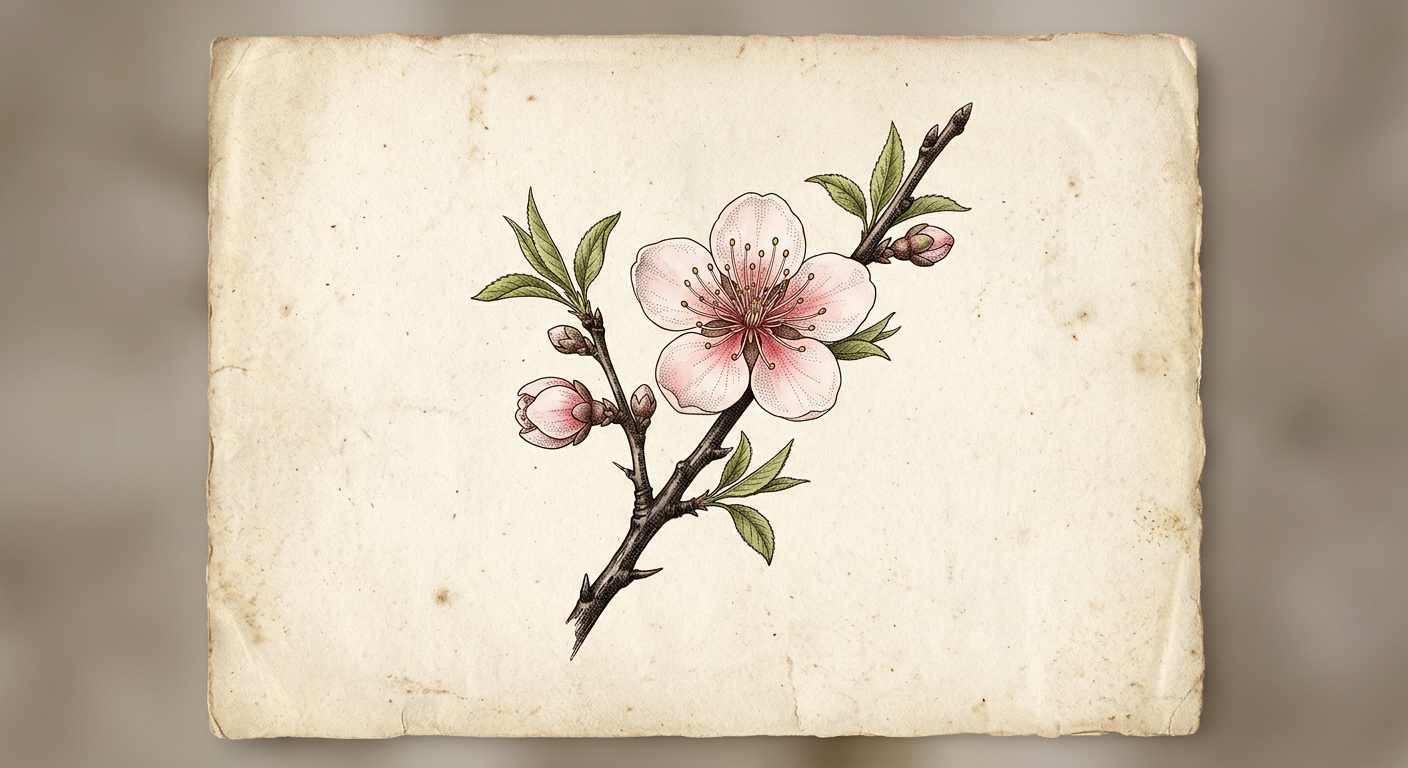
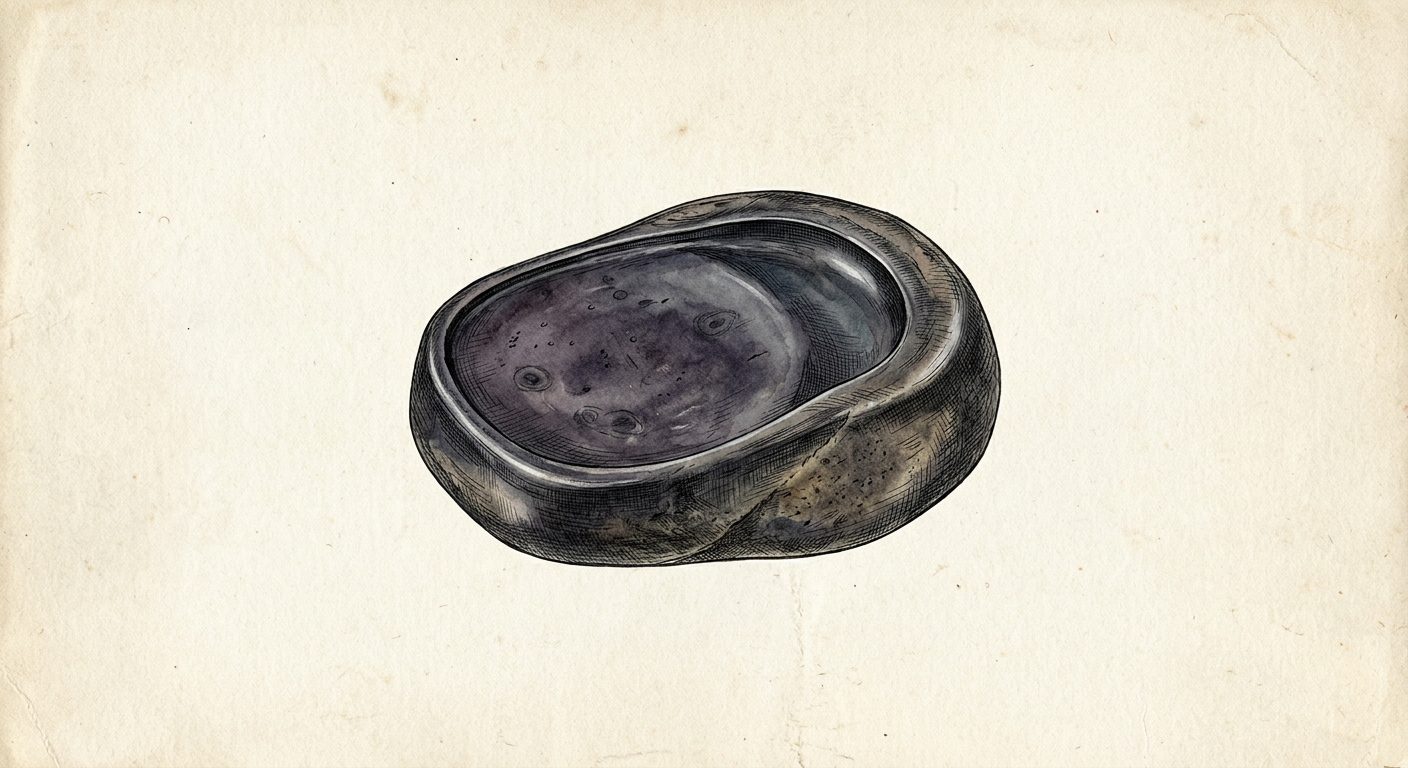
In a small cottage perched above the ethereal mists of West Lake in Hangzhou, Lánxīn sits before a polished Chinese inkstone. The air is cool, carrying the sharp, resilient fragrance of the Chinese Plum Blossom, the bloom that holds its integrity against the winter chill. At fifty-three, her movements are a slow liturgy of preparation. She grinds the ink against the stone, a rhythmic sound like soft breathing, until the black water reflects the depth of the Zhejiang sky. Her orchid heart, for which she is named, seeks the refined inner stillness of the Four Gentlemen. Here, among the scrolls of regular and cursive scripts, she prepares to translate the root-texts of Chan ancestors into the light of the present moment, waiting for the brush to become the mountain.
Lánxīn’s path was long shadowed by the very brilliance that defined her. Born into a scholarly culture four thousand years deep, she became a prisoner of her own intellect. For decades, her mind was a restless performer, executing the brushstroke in her thoughts long before the bristles ever touched the paper. This was the trap of the scholarly ego: a mind that pushed, that choreographed, that interfered with the living flow of the ink. She was a master of the Northern Song tradition, descending through the lineage of Hong Yi and Su Shi, yet she felt the weight of the under-named women calligraphers behind her, a heritage she struggled to voice through the filter of her own analytical pride. In those years, the intellect was a barrier, a wall of glass between her soul and the white space of the scroll.
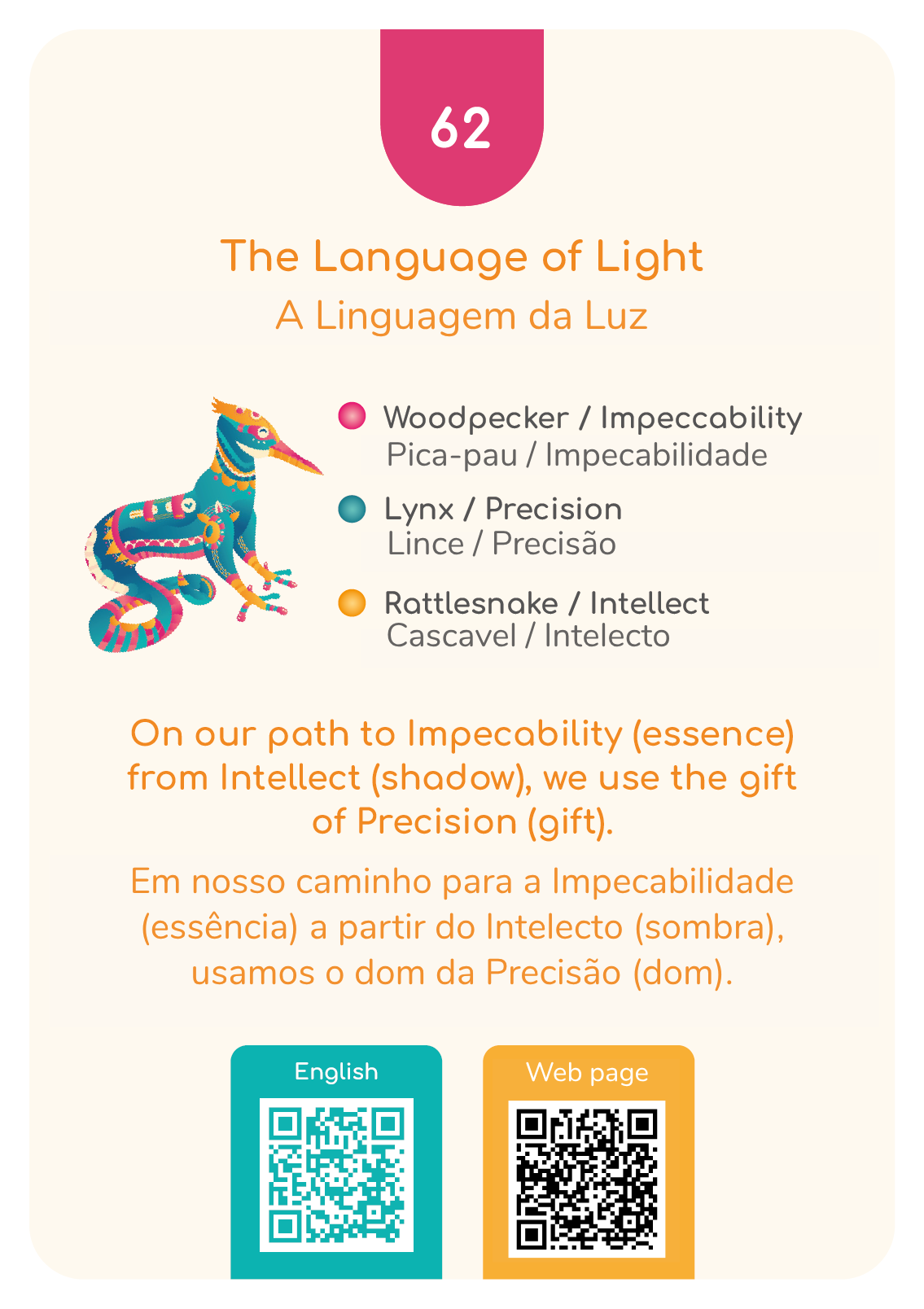
Precision was the discipline that rescued her from the maze of thought. It began with the breath—the realization that the stroke and the strokemaker must arrive together or not at all. She turned to the heritage of Hui Neng, seeking the no-mind that does not grasp. She began to practice the impeccability of the first stroke, understanding that if the mind did not interfere with what was being seen, the brush could finally find its own truth. She spent years in the same cottage above West Lake, painting the same characters until the wood of the brush and the bone of her hand were a single, seamless tool. The shadow of the performing intellect dissolved into the gift of a precision so absolute it felt like surrendering.
Now, as a translator and calligrapher, she moves in the clarity of the regular (楷書) and cursive (草書) scripts. There is no longer a small Lánxīn trying to be perfect; there is only the impeccability of the work itself. When she translates the Chan sutras into modern English, she does not use the intellect to bridge the languages; she uses the silence. She watches the ink flow as if the ancestors themselves were guiding her wrist. The impeccability she once sought through effort has become her essence, a steady light that shines through every line. She has learned that the perfect mind is the one that simply allows the world to write itself across the page.
Sit with Lánxīn
Track from her Sister album
✦ Her tale in the Supreme Yoga ✦
Tale 40 · Kaca and Bṛhaspati
Kaca learns what ‘all’ means
Wound: Repression → Honesty
The descent home — service, integration, the gathering of light.
Winter · North · Earth
Others whose lives touch Lánxīn
 On the same Path — II · The Bridge