Lakambini
The Synarch
The Weaver of Circles Who Remembers the Household as a Temple
Babaylan (Indigenous Priestess) · Filipino (Tagalog) · Mount Makiling, Philippines
✦ Mantra ✦
Bathala, Bathala, Bathala
Her story
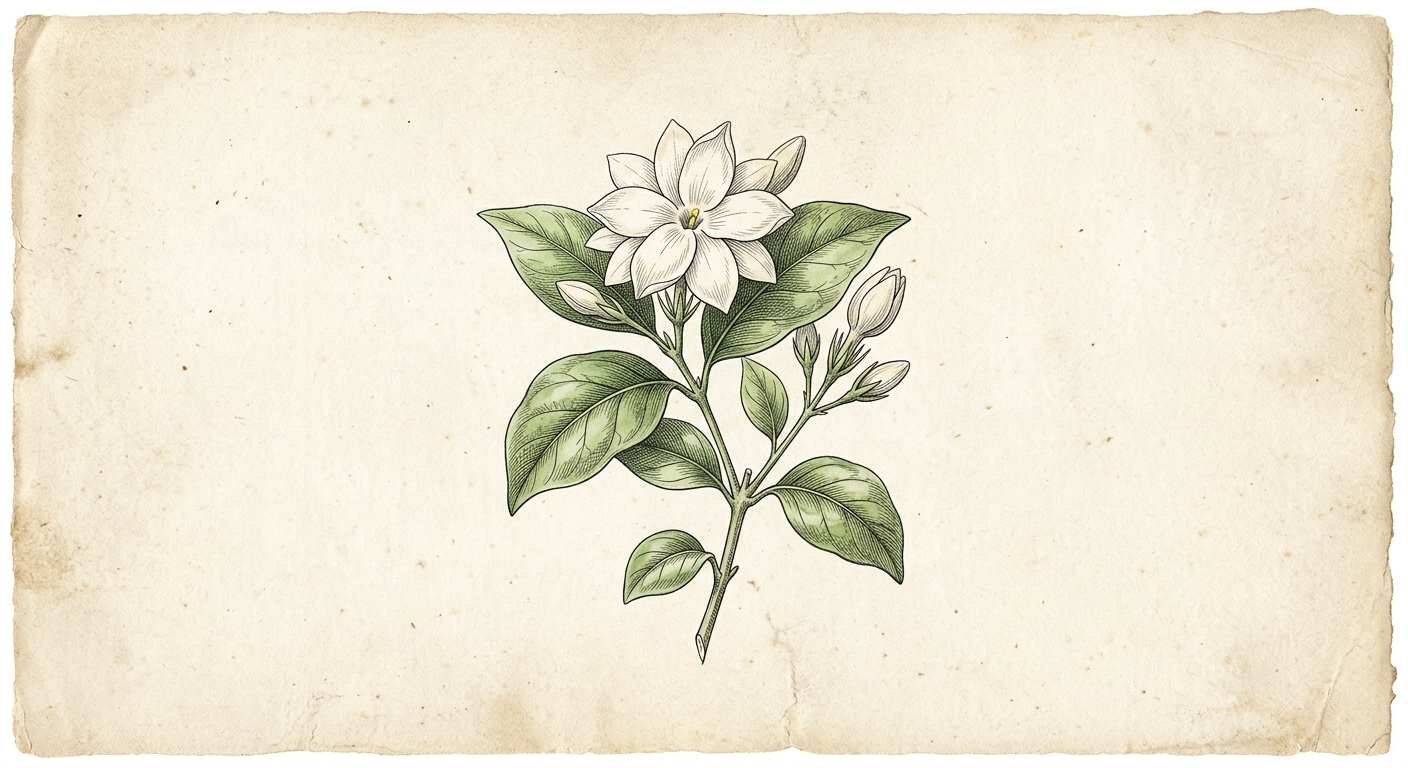
At the shadowed feet of Mount Makiling, where the ancient diwata still breathes through the moss, Lakambini stands as a sentinel of the forest. The air around her is thick with the scent of Sampaguita, the small white five-petalled flowers that signify the purity of her service to the unseen. Between her fingers, she rolls a piece of Filipino Aquamarine, its ocean-green surface reflecting the seven thousand islands of her archipelago. This stone is the lithic form of her coordination, a cool weight against the tropical heat. She is a Babaylan, a priestess of the old ways, existing in a space where the ceiling is the sky and the floor is the living earth of the pre-colonial Tagalog cosmology, calling into existence a sanctuary that time and colonization failed to erase.
Lakambini carries the weight of four centuries of suppression, a time when the lineage of the women priest-healers was driven into the mountain mists. Her name is both a title and an act of rebellion—the noble lady whose spiritual rank was once as essential as the rain, before the friars attempted to rename every daughter of the soil. Her long-standing struggle has been with the shadow of Interference. This colonial residue is a ghost that whispers that coordination is a male task, a fragmentation that taught Filipina women to look outside their own circles for authority. In the excerpts, it is revealed that she once walked the path of Vanity, holding a mirror up for others to see themselves while losing her own reflection in their expectations. She had to learn that the true mirror does not require speed; it requires the courage to stop and see the synarchy already present in the roots.
The gift of Teamwork emerged from the domestic dust. Lakambini recognized that the household is the first temple, a space where the grandmothers once practiced a shared rulership. She began rebuilding the women's circles, not as a hierarchy, but as a living organism where every hand knows the weight of the others. By gathering, she undoes the interference of history. She moves through the forest and the village, showing that the power of the Babaylan was never extinguished, only waiting for the moment the women remembered how to coordinate their prayers and their labor. This is the recovered understanding that the household has always known how to navigate the storms if it moves as one.
In her presence, the air shifts from the frantic energy of survival to the steady pulse of Synarchy. The ocean-green aquamarine she carries serves as a reminder of this shared sovereignty. By putting down the mirror she held for the gaze of the colonizer, she stepped into her Charisma—a natural authority that does not demand but invites. Her work is the slow uncovering of a harmony that is older than the cathedrals. She is the Synarch because she sees the divine in the collective, the sacred kin in the neighbor, and the creator in the center of the circle.

Sit with Lakambini
Track from her Sister album
Her Meta Pet card
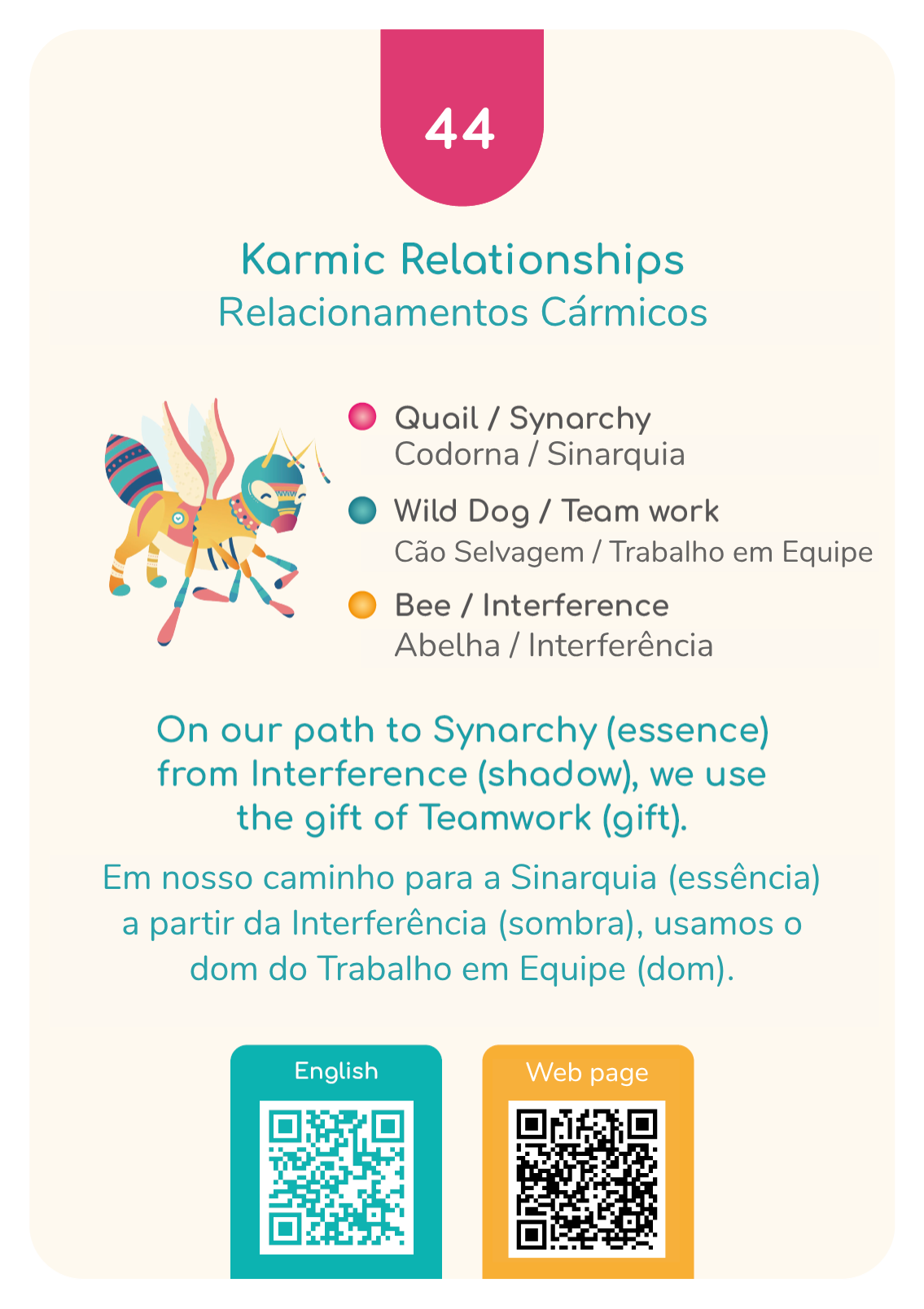
Card of the week · Meta Pet 44 — "Interference". Koan: "Interference from where? From whom? Look closer." Affirmation: I transmute interference into harmony.
✦ Her tale in the Supreme Yoga ✦
Tale 31 · Jīvaṭa and the Hundred Rudras
Jīvaṭa, the hundred Rudras and the waking council
Wound: Separation → Care
The crucible — labor, exile, witness, the making of strength.
Autumn · West · Water
Others whose lives touch Lakambini
 On the same Path — V · The Song