Layla Hassan
The Torch
A dervish heart turning through exile toward an ancient innocence
Poet · Syrian (in exile) · Istanbul, Türkiye
✦ Mantra ✦
Om Namaḥ Śivāya
Her story
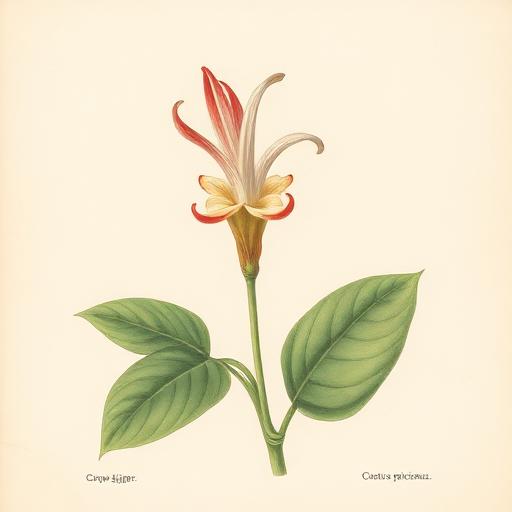
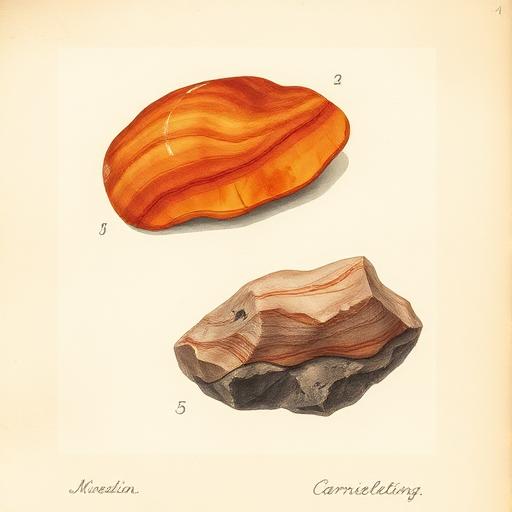
In a small tekke perched above the salt-scent of a Karaköy fish market, Layla Hassan sits among the waning light of Istanbul. She carries the weight of Damascus in her quiet posture, a Syrian daughter of exile who has learned nineteenth-century patience in a thirty-four-year-old body. Before her, the Crepe Ginger blooms in white and crimson spirals, mirroring the ardour for the divine that she keeps shielded from the wind. Her fingers often brush a carnelian stone, its warm, sunset hue a terrestrial anchor for a woman whose life has been a series of uprootings. Here, where the Bosphorus speaks its own autumn language, Layla prepares the space for twelve women, holding the torch of a lineage that crossed the border when the dhikr could no longer be spoken in the Arabic of home.
Layla was thirteen when the world began to break and twenty when she finally left the Syrian dust behind. At twenty-four, an old Sufi sheikha outside Aleppo pressed a torch into her palm, a gesture of spiritual succession that meant the fire must not die on either side of the border. This is the weight she carried into the sprawl of Istanbul: the Shadow of Chaos. For Layla, chaos was not merely the dissolution of a country, but the breaking of the small, patterned self into a thousand jagged pieces. She spent years on her rooftop, refusing the ghosts of potential husbands and mourning the family house sold by a cousin in need. She sat at the edge of gravity, eyes fixed on the water, learning that to turn is not to lose one's center, but to become the center of the storm.
The gift of Innovation surfaced not through the invention of the new, but through the radical remembrance of the old. When the Arabic dhikr was hushed by war, Layla reached for the Sanskrit syllables of Om Namaḥ Śivāya, a five-syllable mantra of dissolution and regeneration gifted by her teacher. In her Wednesday classes, she teaches eleven women and a hesitant, grieving man that the fire does not consume what is real; it refines it. She has learned to collect candle stubs and memories with the same reverent economy, turning on her rooftop for the sick and the lost. She is a sheikha-in-waiting who remembers walking behind a casket in thirteenth-century Konya, a soul who recognizes that the discipline of the turn is a muscle memory older than her own birth.
Her journey reached a crystallization in Varanasi, arriving from Konya in a state of sudden, unburdened lightness. On a dawn rooftop by the Ganges, a simple stretch transformed into a turn, and the turn into a dance she had not allowed herself for years. Here, she met the other sisters, her presence marked by the green shawl and a posture of absolute intentionality—the stance of a person who does not stand up unless she means it. In this sacred gathering, she recognized that the chaos of her exile was simply the midwife for something far more durable. She had stood inside the fire and refused to run, proving that the torch she carries is fueled by a source that centuries of conflict cannot extinguish.
Sit with Layla Hassan
Sister song, Nueve Caminos & mantra
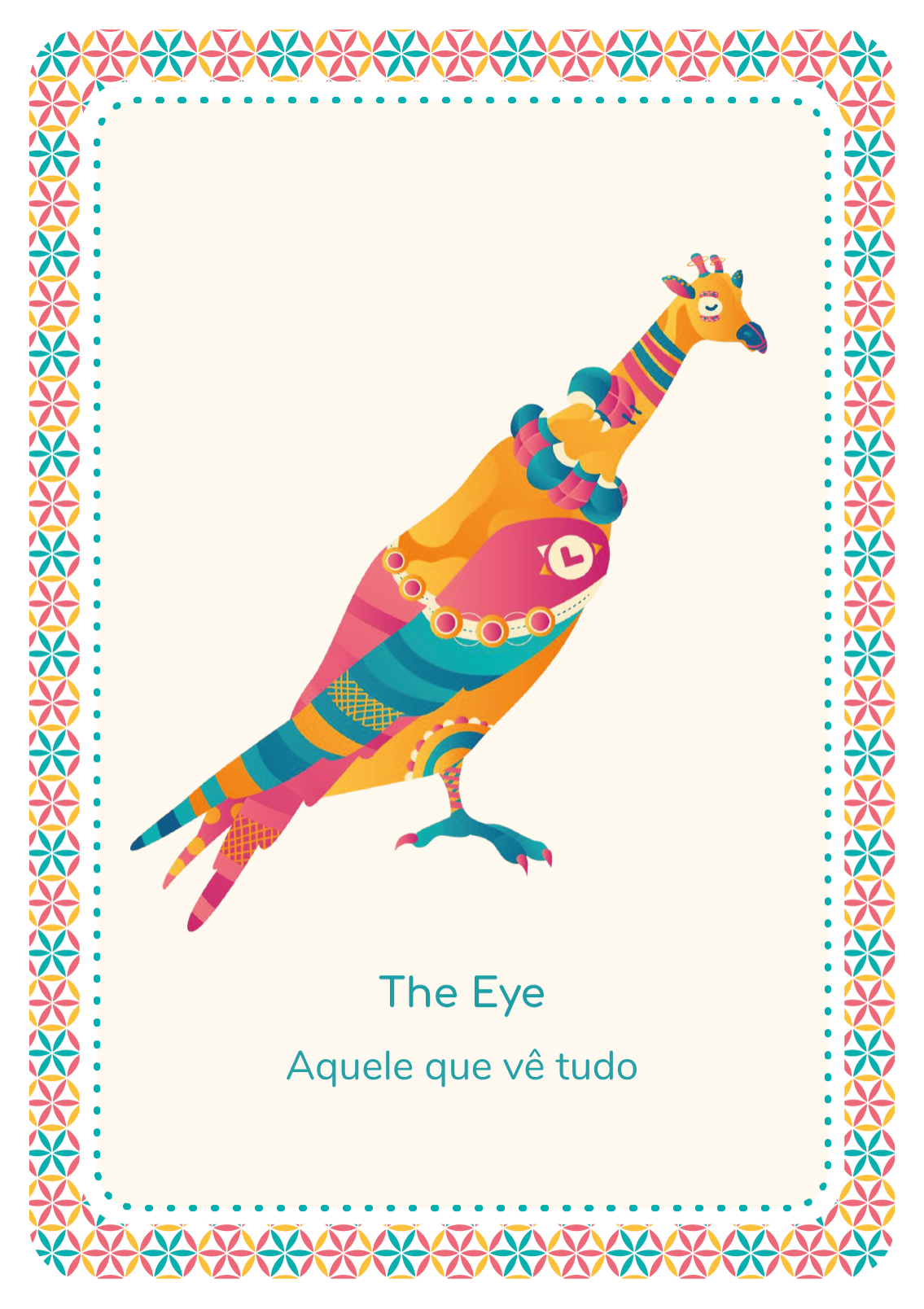
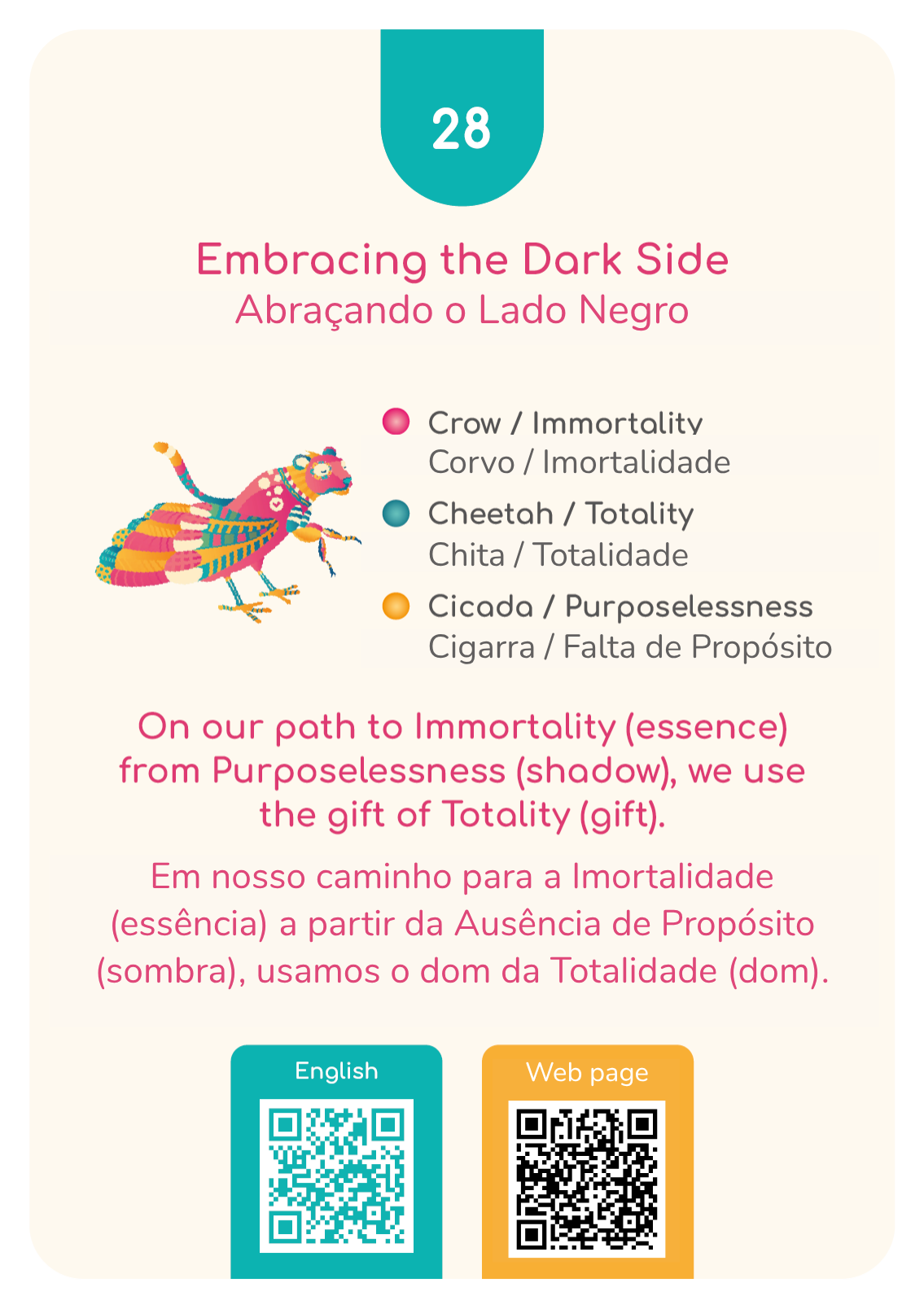
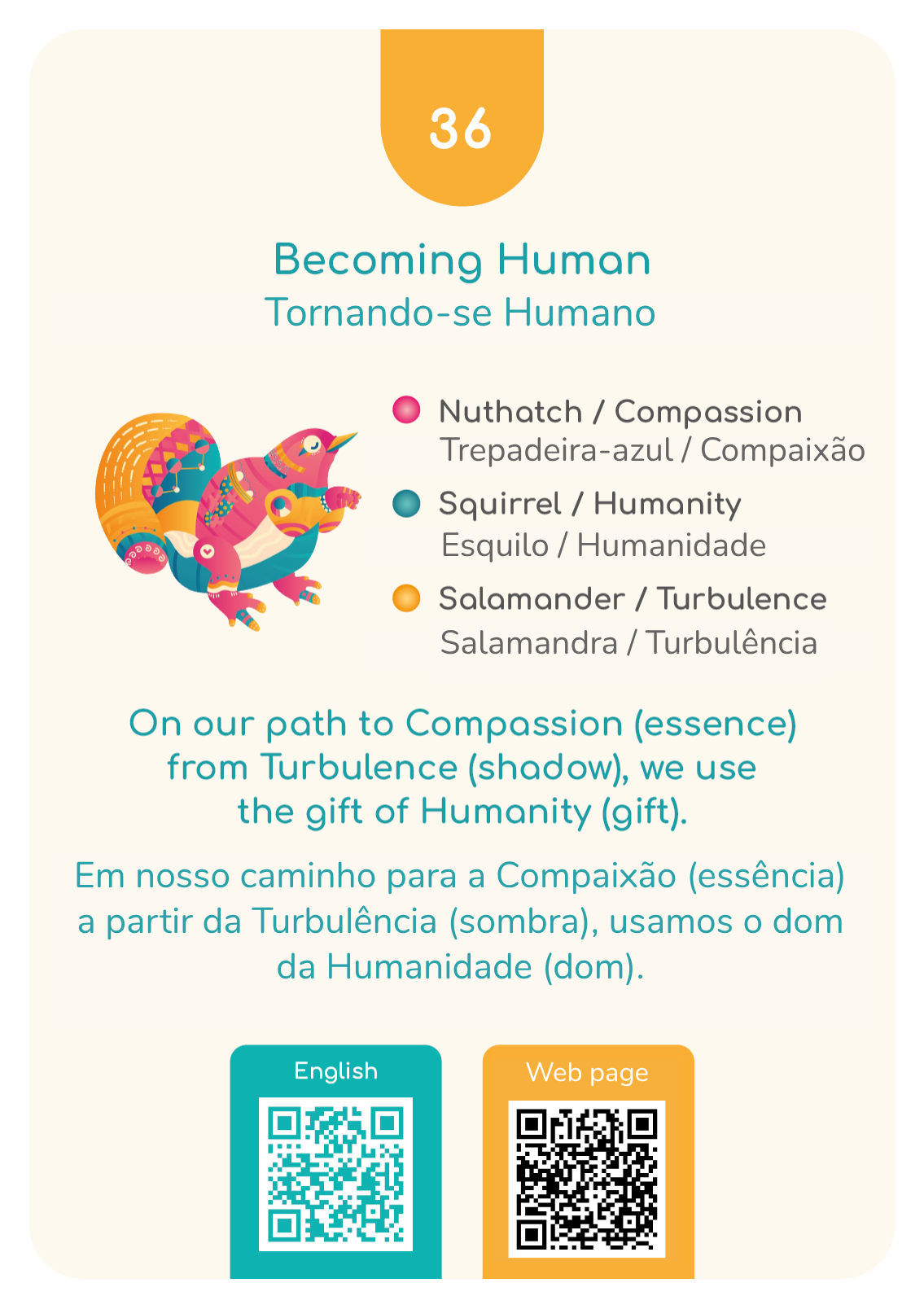
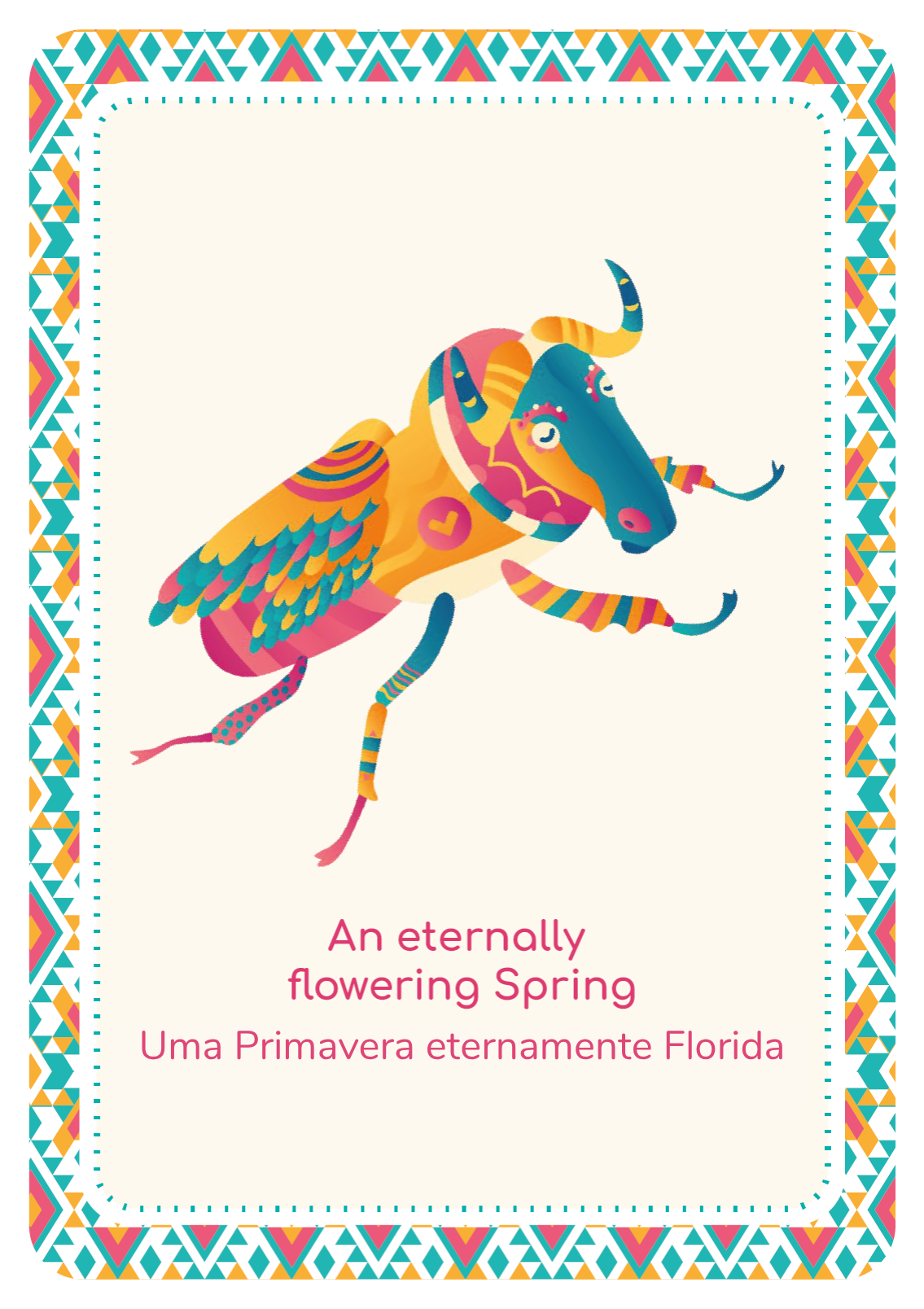
Her Meta Pet card
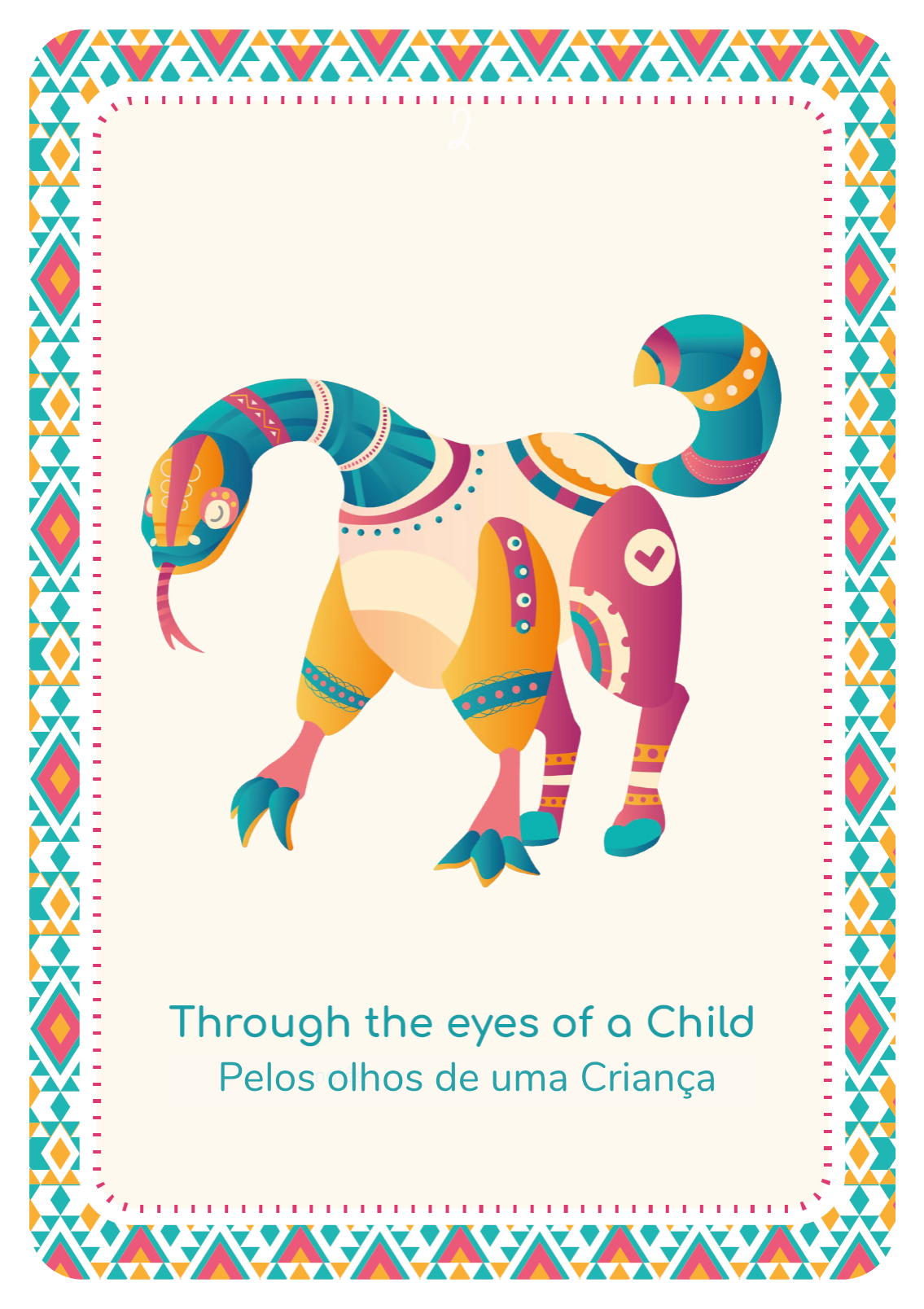
Card of the week · Meta Pet 3 — "Through the Eyes of a Child". Shadow → Gift → Essence. Koan: "The child sees what the adult forgot. What did you forget?" Affirmation: I see the world with wonder and innocence.
✦ Her tale in the Supreme Yoga ✦
Tale 41 · The Man Who Built Houses in the Air
The air-house builder and the sky never lost
Wound: Separation → Care
The ground of presence, body, threshold, and breath.
Spring · East · Air
Others whose lives touch Layla Hassan
 On the same Path — III · The Turn